
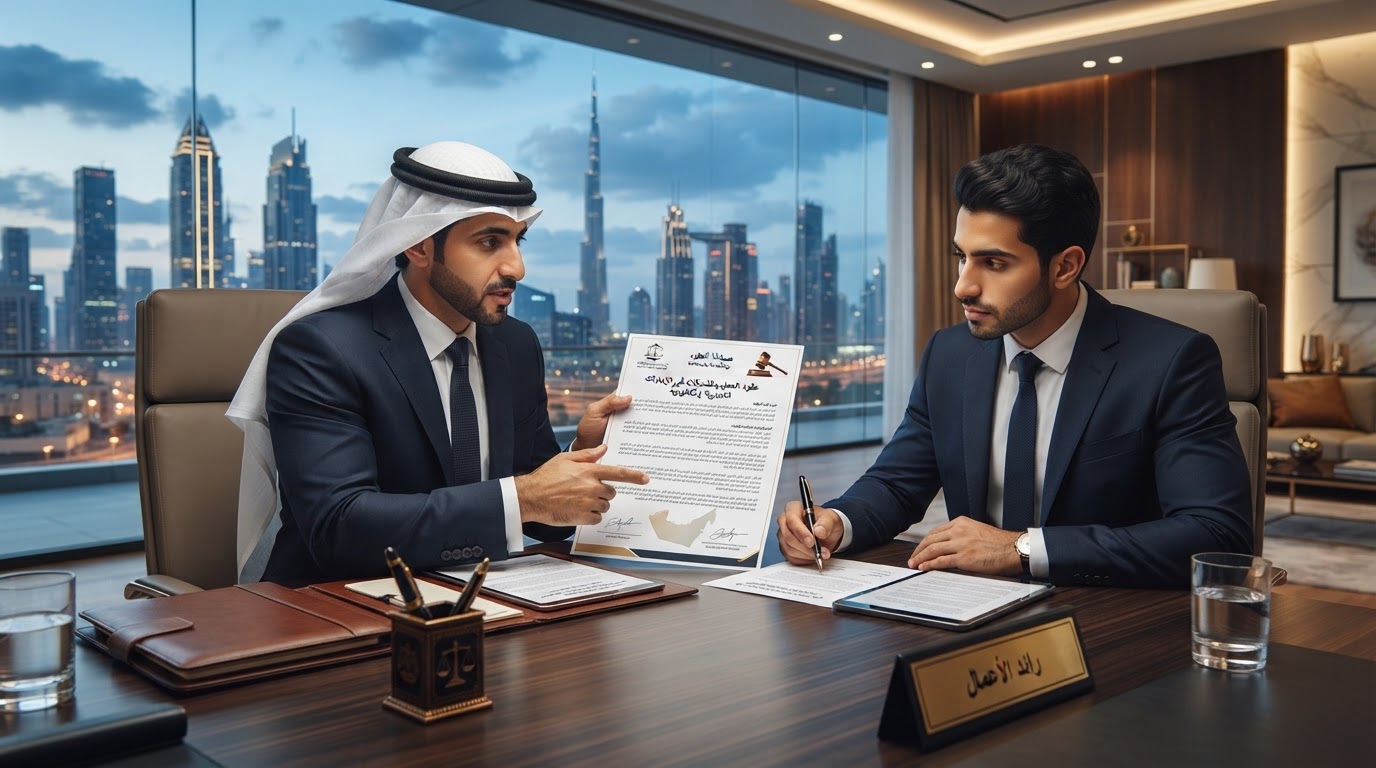
"Drafting contracts and legal documents is a strategic process aimed at protecting the rights of the parties and regulating business relationships on clear legal grounds. By using specialized legal advisors, companies can prepare balanced and accurate contracts, reduce potential risks, and ensure the existence of effective dispute management mechanisms that support business stability and the sustainability of business relationships."
In light of the rapid economic developments in the UAE business market, drafting contracts and legal documents has become pivotal in ensuring the continuity of business relationships and establishing a healthy and sustainable business environment. Drafting a robust contract is not merely a routine procedure, but a strategic process based on a deep understanding of the challenges and opportunities facing companies and entrepreneurs amidst ongoing regulatory developments. This process requires careful consideration of all legal and regulatory details to protect the rights of all parties and balance their diverse interests.
Companies and institutions face numerous challenges in dealing with diverse partners and investing in pivotal business projects, making it essential to prepare precise contracts that establish a legal framework protecting rights and mitigating future risks. Drafting a contract requires a comprehensive understanding of relevant local and international laws, making the engagement of legal experts and consultants a cornerstone of the legal documentation process. Relying on this expertise extends beyond simply including protective clauses; it also encompasses developing dispute resolution mechanisms and addressing unforeseen changes to contractual agreements.
The importance of contracts extends beyond simply documenting agreements between parties; they serve as a strategic tool that helps companies navigate potential legal and economic challenges. By drafting a well-structured contract, a framework for negotiation is established in case of future disputes, thus reducing the likelihood of resorting to costly and complex litigation. Professionally drafted contracts reflect the parties' commitment to transparency and integrity in all aspects of the business relationship, fostering an environment of mutual trust, which is essential for successful investments.
The legal aspect of contract drafting involves a thorough analysis of the circumstances surrounding a business transaction. This includes examining potential risks and developing preventative formulations that protect the interests of all parties in the face of economic changes or regulatory complexities. This analysis also encompasses a comprehensive review of the clauses that define the scope of the contractual relationship, from basic definitions to outlining the responsibilities and obligations of each party. This approach results in a balanced agreement between the parties, providing both legal and economic protection and enhancing the chances of sustainability and success in competitive environments.
The process of drafting contracts must be flexible enough to adapt to changes in the legal and economic environment. Regularly updating contracts ensures their alignment with new standards and legislative amendments. In this context, developing a comprehensive contract drafting methodology is a strategic step that enables organizations to anticipate legal and economic developments and take appropriate preventative measures. This endeavor requires a significant investment of time and effort from organizational leaders to ensure the drafting of legal documents that keep pace with developments and prevent crises before they occur.
It is also important to emphasize that robustly documented agreements contributes to minimizing the risks arising from commercial disputes and resolving them amicably before resorting to formal litigation. Dispute resolution mechanisms are an integral part of the contract, outlining the steps to be taken to avoid legal and economic delays that could negatively impact business operations. Including a clear clause specifying mediation and arbitration as alternative dispute resolution methods helps maintain business relationships and foster long-term partnerships.
The legal process is intertwined with modern business strategies, as contract drafting is viewed as a tool for enhancing performance and competitiveness in international markets. Robust legal documents are vital to building a professional image for an organization, sending a powerful message to investors and business partners about its seriousness and professionalism. These documents contribute to building mutual trust and reinforce the company's perception as a reliable business partner in negotiations and major deals, thereby strengthening its competitive position in the global business market.
The business world is not without its legal challenges, requiring vigilance and caution from all parties involved. The digital transformation underway in the business sector necessitates the adoption of new technologies for drafting and storing contracts, thereby mitigating the risks associated with manipulation or security breaches. Digital contracts based on blockchain technology represent an innovative model that ensures transparency and legal certainty thanks to their precise verification mechanisms and secure documentation. Such legal innovations are not only the future of contract drafting but also a crucial step in fostering trust and digital transformation within the business sector.
Drafting contracts is not merely a legal process; it is intertwined with business, marketing, and financial strategies. For example, contracts can play a pivotal role in attracting investment and enhancing the competitiveness of small, medium, and emerging enterprises. By establishing a clear and balanced legal framework, investors can be assured that their investments are protected, leading to increased confidence and investment flows across various sectors of the UAE economy. Therefore, investing in the design and drafting of well-crafted contracts is a strategic step that contributes to economic growth and expands investment opportunities.
In conclusion, the importance of contract drafting is highlighted as a vital strategic tool for stimulating economic growth and protecting the interests of all parties in the UAE business environment. Adopting an integrated approach to drafting legal documents reflects a deep understanding of local and international legislation and provides an additional layer of protection against potential risks. Companies and institutions, large and small, must invest in specialized legal content to ensure business continuity and success in competitive markets. Fostering a culture of transparency and integrity in contract drafting is an investment in the future, ensuring the sustainability of business relationships and unifying leadership efforts to achieve a promising economic vision aligned with global developments.
Ultimately, drafting modern and sophisticated contracts embodies a company's commitment to quality and professional business practices. This process is not merely a legal formality, but a strategic step that ensures risk reduction and fosters growth and innovation, thus setting companies on a path to sustainable success in a constantly evolving legal and economic environment.
The importance of legal documents in enhancing trust and ensuring the sustainability of economic partnerships
Contracts and legal documents
"Drafting contracts and legal documents is a strategic process aimed at protecting the rights of the parties and regulating business relationships on clear legal grounds. By using specialized legal advisors, companies can prepare balanced and accurate contracts, reduce potential risks, and ensure the existence of effective dispute management mechanisms that support business stability and the sustainability of business relationships."
In light of the rapid economic developments in the UAE business market, drafting contracts and legal documents has become pivotal in ensuring the continuity of business relationships and establishing a healthy and sustainable business environment. Drafting a robust contract is not merely a routine procedure, but a strategic process based on a deep understanding of the challenges and opportunities facing companies and entrepreneurs amidst ongoing regulatory developments. This process requires careful consideration of all legal and regulatory details to protect the rights of all parties and balance their diverse interests.
Companies and institutions face numerous challenges in dealing with diverse partners and investing in pivotal business projects, making it essential to prepare precise contracts that establish a legal framework protecting rights and mitigating future risks. Drafting a contract requires a comprehensive understanding of relevant local and international laws, making the engagement of legal experts and consultants a cornerstone of the legal documentation process. Relying on this expertise extends beyond simply including protective clauses; it also encompasses developing dispute resolution mechanisms and addressing unforeseen changes to contractual agreements.
The importance of contracts extends beyond simply documenting agreements between parties; they serve as a strategic tool that helps companies navigate potential legal and economic challenges. By drafting a well-structured contract, a framework for negotiation is established in case of future disputes, thus reducing the likelihood of resorting to costly and complex litigation. Professionally drafted contracts reflect the parties' commitment to transparency and integrity in all aspects of the business relationship, fostering an environment of mutual trust, which is essential for successful investments.
The legal aspect of contract drafting involves a thorough analysis of the circumstances surrounding a business transaction. This includes examining potential risks and developing preventative formulations that protect the interests of all parties in the face of economic changes or regulatory complexities. This analysis also encompasses a comprehensive review of the clauses that define the scope of the contractual relationship, from basic definitions to outlining the responsibilities and obligations of each party. This approach results in a balanced agreement between the parties, providing both legal and economic protection and enhancing the chances of sustainability and success in competitive environments.
The process of drafting contracts must be flexible enough to adapt to changes in the legal and economic environment. Regularly updating contracts ensures their alignment with new standards and legislative amendments. In this context, developing a comprehensive contract drafting methodology is a strategic step that enables organizations to anticipate legal and economic developments and take appropriate preventative measures. This endeavor requires a significant investment of time and effort from organizational leaders to ensure the drafting of legal documents that keep pace with developments and prevent crises before they occur.
It is also important to emphasize that robustly documented agreements contributes to minimizing the risks arising from commercial disputes and resolving them amicably before resorting to formal litigation. Dispute resolution mechanisms are an integral part of the contract, outlining the steps to be taken to avoid legal and economic delays that could negatively impact business operations. Including a clear clause specifying mediation and arbitration as alternative dispute resolution methods helps maintain business relationships and foster long-term partnerships.
The legal process is intertwined with modern business strategies, as contract drafting is viewed as a tool for enhancing performance and competitiveness in international markets. Robust legal documents are vital to building a professional image for an organization, sending a powerful message to investors and business partners about its seriousness and professionalism. These documents contribute to building mutual trust and reinforce the company's perception as a reliable business partner in negotiations and major deals, thereby strengthening its competitive position in the global business market.
The business world is not without its legal challenges, requiring vigilance and caution from all parties involved. The digital transformation underway in the business sector necessitates the adoption of new technologies for drafting and storing contracts, thereby mitigating the risks associated with manipulation or security breaches. Digital contracts based on blockchain technology represent an innovative model that ensures transparency and legal certainty thanks to their precise verification mechanisms and secure documentation. Such legal innovations are not only the future of contract drafting but also a crucial step in fostering trust and digital transformation within the business sector.
Drafting contracts is not merely a legal process; it is intertwined with business, marketing, and financial strategies. For example, contracts can play a pivotal role in attracting investment and enhancing the competitiveness of small, medium, and emerging enterprises. By establishing a clear and balanced legal framework, investors can be assured that their investments are protected, leading to increased confidence and investment flows across various sectors of the UAE economy. Therefore, investing in the design and drafting of well-crafted contracts is a strategic step that contributes to economic growth and expands investment opportunities.
In conclusion, the importance of contract drafting is highlighted as a vital strategic tool for stimulating economic growth and protecting the interests of all parties in the UAE business environment. Adopting an integrated approach to drafting legal documents reflects a deep understanding of local and international legislation and provides an additional layer of protection against potential risks. Companies and institutions, large and small, must invest in specialized legal content to ensure business continuity and success in competitive markets. Fostering a culture of transparency and integrity in contract drafting is an investment in the future, ensuring the sustainability of business relationships and unifying leadership efforts to achieve a promising economic vision aligned with global developments.
Ultimately, drafting modern and sophisticated contracts embodies a company's commitment to quality and professional business practices. This process is not merely a legal formality, but a strategic step that ensures risk reduction and fosters growth and innovation, thus setting companies on a path to sustainable success in a constantly evolving legal and economic environment.